
Beyond Parallel · Korea Chair
The war in Ukraine has precipitated a renewed relationship between Russia and North Korea. Driven by Russia’s need for ammunition and North Korea’s need for food, energy, and military technology, North Korea has transferred an estimated 15 million+ artillery shells and deployed 14,000 to 15,000 troops to the front lines. These burgeoning ties pose challenges for the United States and its allies in Europe and the Indo-Pacific. In Europe, North Korea’s assistance may allow Putin to prevail in Ukraine when U.S. support is in question. In Asia, Russian military technology could advance North Korea’s military satellite, nuclear submarine, and ICBM programs. The June 2024 Comprehensive Strategic Partnership Treaty has formalized what began as an arms-for-energy transaction into a full security alliance, with over 30,000 North Korean workers now deployed to Russia. The CSIS Korea Chair and Beyond Parallel track every verified development in the database below.

Imagery through early 2026 shows the Yelabuga drone plant expanding from two buildings in late 2021 to a 17-facility complex of up to 116 buildings, with reported North Korean recruitment of as many as 12,000 workers underpinning output of more than 5,500 units per month.
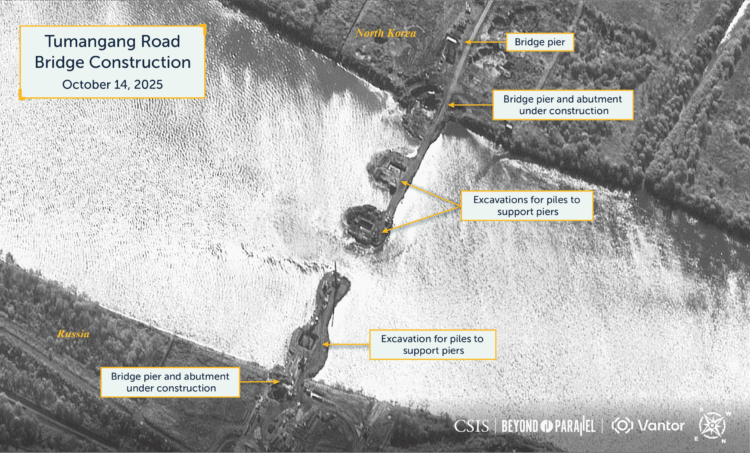
New commercial satellite imagery shows the Tumangang–Khasan road bridge has advanced substantially over the past six months, with visible pier and deck construction on both banks.

Imagery from Feb–Mar 2025 documents significant structural changes at both the Russian and North Korean construction sites of the new cross-border road bridge.
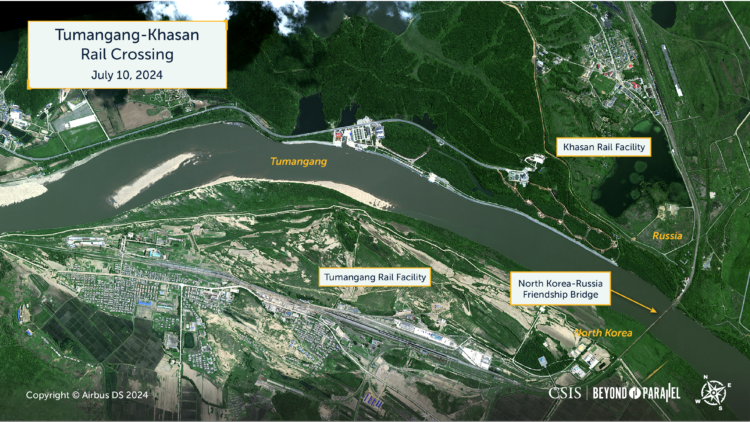
Post-Putin visit imagery shows a new railcar pattern, with more ore and tank cars and fewer boxcars, indicating a shift toward coal and oil deliveries into North Korea.
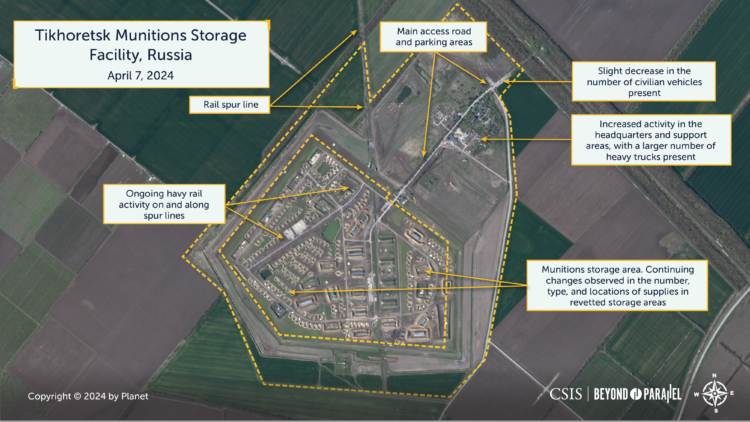
April 2024 imagery shows roughly 55% of the facility’s 280 storage revetments occupied, a sustained high-tempo throughput consistent with active drawdown for Ukraine.
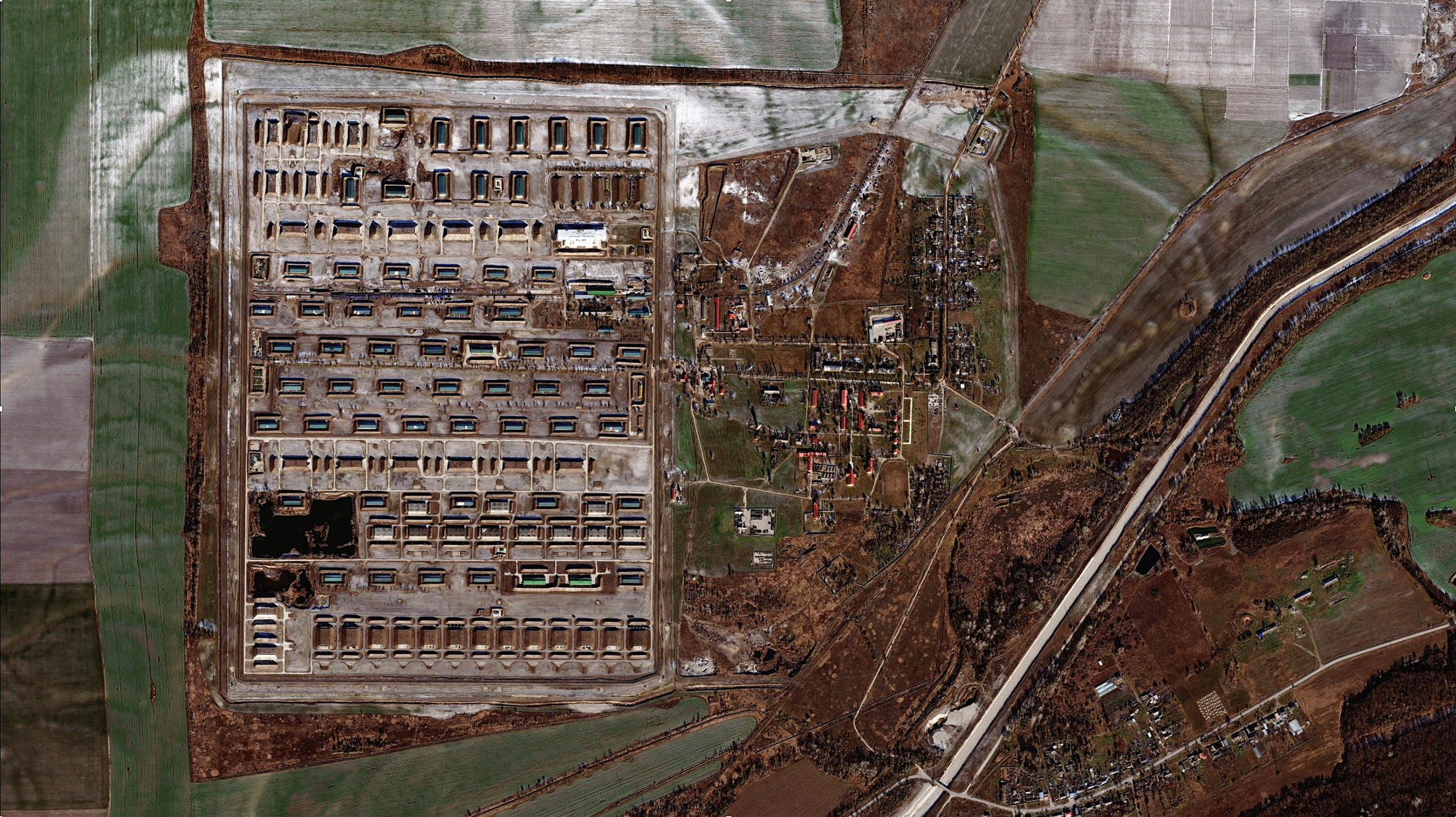
Analysis of hundreds of commercial satellite images since August 2023 documents large-scale, continuing transfers of North Korean ammunition to Russian forces.
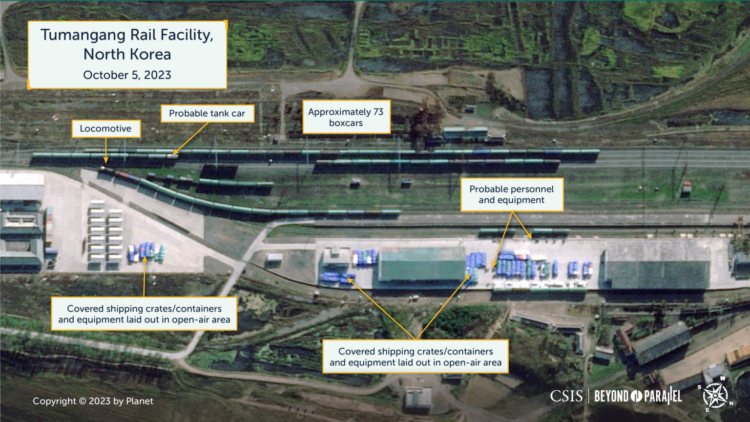
Weeks after the September 2023 summit, satellite imagery shows unprecedented rail throughput at the DPRK–Russia border, far above pre-COVID levels observed since 2019.
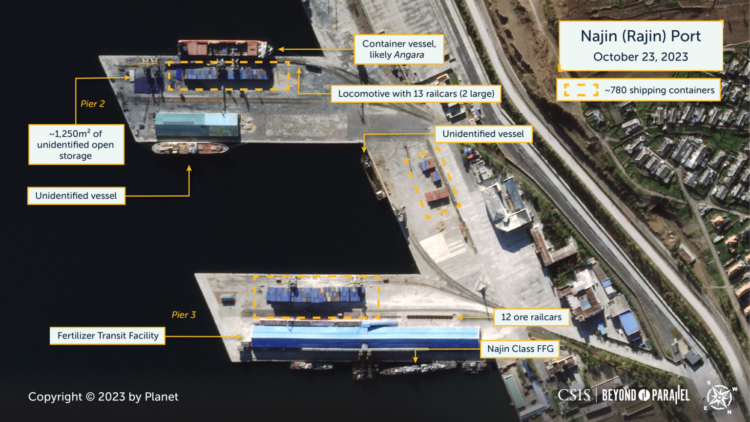
Two months of elevated activity at Najin Port, confirmed by the White House as an arms transfer hub, suggests ongoing munitions shipments from North Korea to Russia.
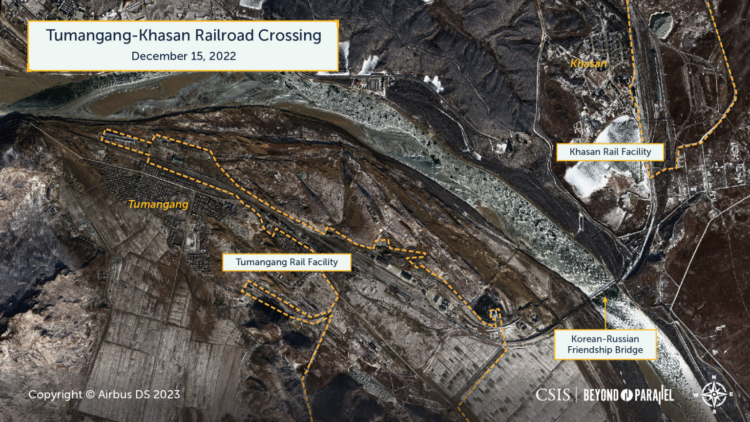
Early satellite analysis of the Tumangang–Khasan crossing reveals sharply increased energy and economic trade as Pyongyang moves to deepen ties with Moscow.

Victor Cha and Ellen Kim assess Pyongyang’s nuclear submarine disclosure and its implications for the deepening Russia–North Korea defense technology relationship.

Victor Cha examines the strategic implications of confirmed North Korean troop deployments to Russia, an unmistakable signal that Kim Jong-un is fully committed to Putin’s war.
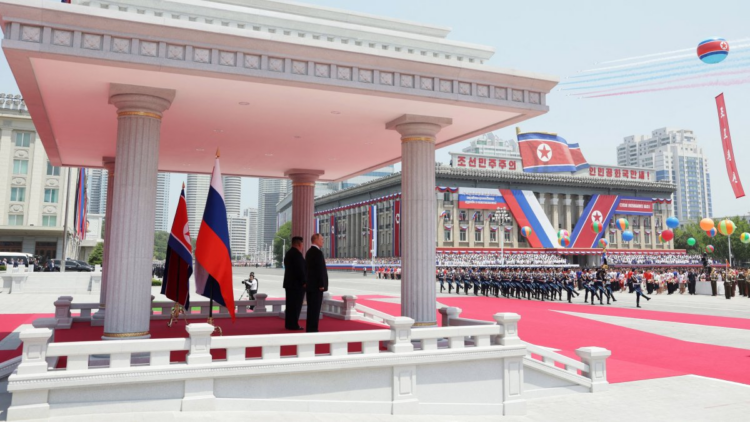
Victor Cha and Ellen Kim assess Putin’s June 2024 Pyongyang visit and the Comprehensive Strategic Partnership Treaty, the most significant bilateral pact since the Cold War.
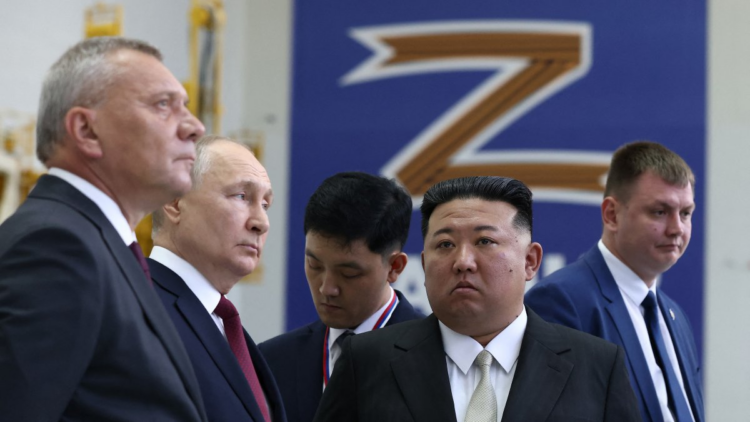
Victor Cha argues the Kim–Putin summit and its resulting treaty present the greatest threat to U.S. national security since the Korean War.
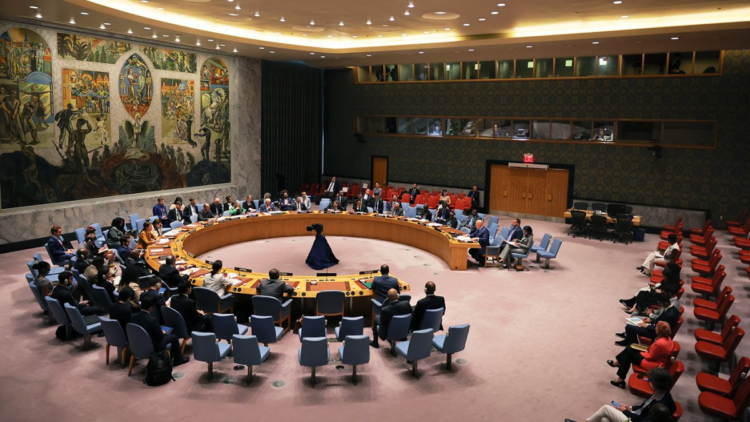
Russia’s sole vote to kill the UN Panel of Experts mandate, with China abstaining, effectively ends the primary multilateral mechanism for enforcing North Korea sanctions.
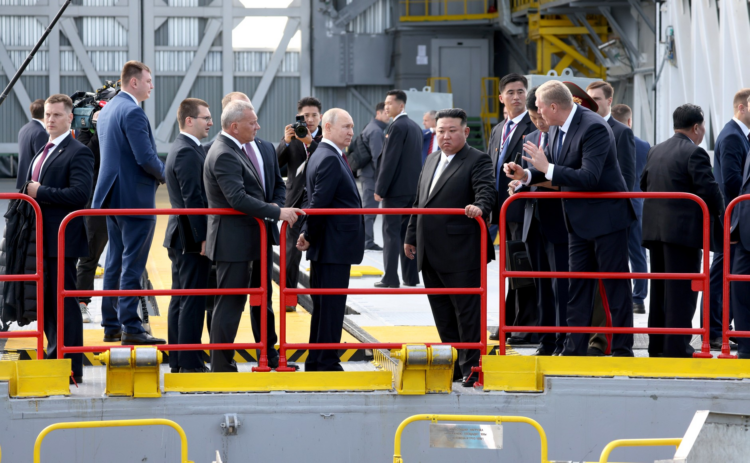
The Kim–Putin summit at Vostochny is the latest marker in a rapidly deepening military alignment that is reshaping security calculations from Kyiv to Seoul.
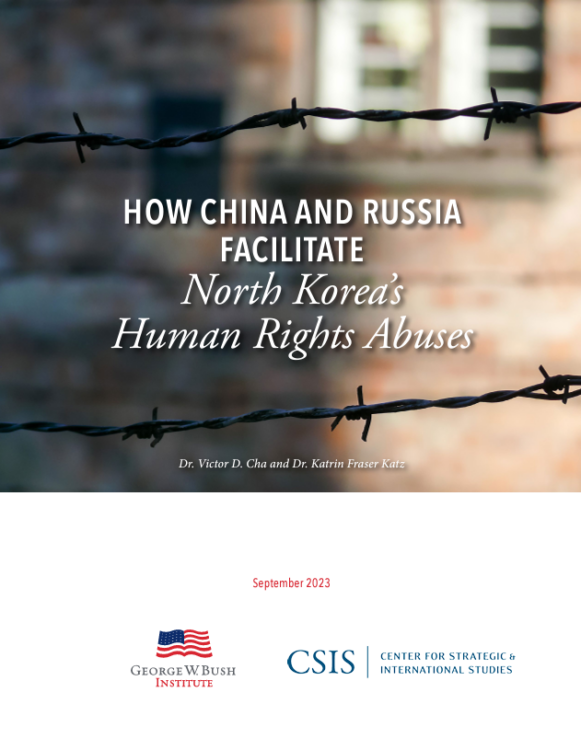
A joint CSIS and George W. Bush Presidential Center report examines how Beijing and Moscow enable Pyongyang’s internal repression, with new dynamics introduced by COVID-19 and the Ukraine war.

Victor Cha explains the scope of what North Korea is providing Russia and why the bilateral relationship has become a threat unlike any previously faced by the United States.

Victor Cha convenes Maria Snegovaya, Jude Blanchette, Sydney Seiler, and Scott Snyder for a wide-ranging discussion on the emerging alliance and its implications for U.S. strategy.
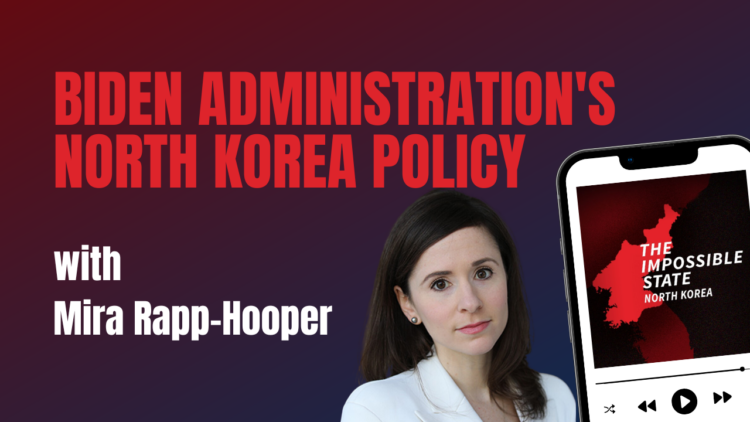
NSC Senior Director Mira Rapp-Hooper discusses the administration’s North Korea strategy and the Russia dimension with Victor Cha at the JoongAng–CSIS Forum in Washington.
Former ROK Foreign Minister Yoon Young-kwan, Victor Cha, Allison Hooker, and three ambassadors discuss strategic responses to the North Korea–China–Russia triangle in Seoul.
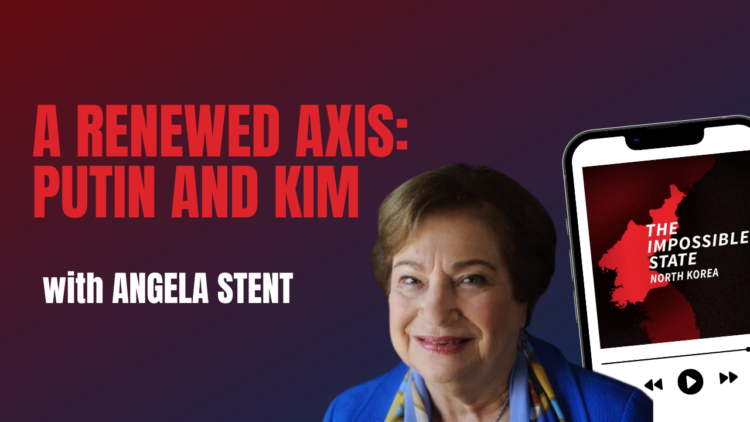
Georgetown’s Angela Stent joins Victor Cha and Ellen Kim to analyze what drove Putin to Vostochny, and how the summit reshapes the Russia-rules-based order calculus.
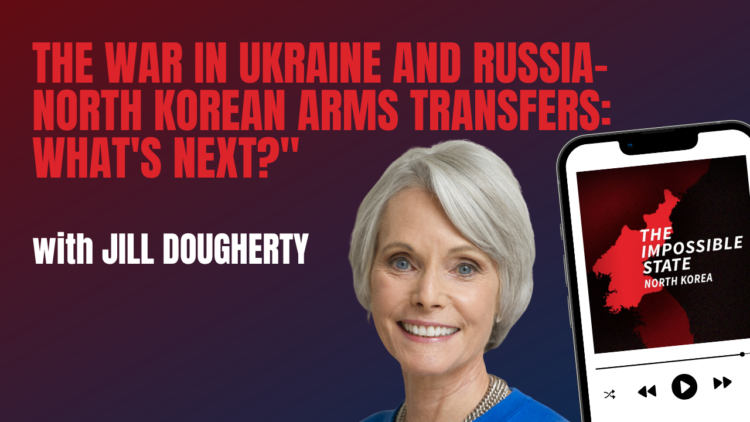
Former CNN Moscow bureau chief Jill Dougherty joins Victor Cha to assess China’s role in the Russia–Ukraine conflict and the trajectory of DPRK arms shipments.