March 17, 2021, by Joseph S. Bermudez Jr., Victor Cha, Marie DuMond, Jonathan E. Hillman and Maesea McCalpin—
Although significant political barriers remain to reconnecting the Korean peninsula, there is merit in substantive study of the types of energy infrastructure connections that would best promote regional growth and stability. The cases examined in this report underscore North Korea’s dire need for energy infrastructure investment and the importance of it meeting the G20 quality infrastructure investment principles.
February 18, 2021, by Joseph S. Bermudez Jr., Victor Cha and Jennifer Jun—
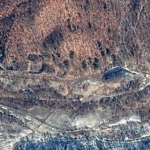
Commercial satellite imagery acquired on January 5, 2021 and February 7, 2021 indicate that the Yusang-ni missile base is operational and that minor development (i.e., construction, etc.) has continued since our last report from May 9, 2019... Commercial satellite imagery acquired on January 5, 2021 and February 7, 2021 indicate that the…
February 17, 2021—
Dr. Victor Cha and Andrew Schwartz are joined by Dr. J. Stephen Morrison of CSIS and Dr. Kee Park of Harvard Medical School to talk about Covid-19 in North Korea. They discussed what we know and don't know about the lockdown and the severity of the health situation there, and what to expect moving forward with how the Biden administration and the international community will deal with the pandemic in North Korea.
February 12, 2021, by Robert King—
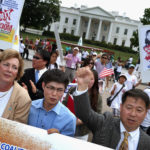
The United States’ re-entry into the United Nations Human Rights Council signals a much-needed U.S. commitment to protecting human rights everywhere and gives credibility to a key force fighting North Korea’s human rights violations, says Ambassador Robert King.
February 10, 2021, by Joseph S. Bermudez Jr. and Victor Cha—
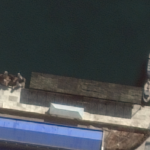
There are no visible indications of preparations for the launch of the much anticipated “newly built submarine”—North Korea’s first true ballistic missile submarine (SSB). No significant activity is observed in satellite imagery of the Sinpo South Shipyard collected during the past several months. Typical of this is an image acquired on February 3, 2021.
January 27, 2021, by Robert King—
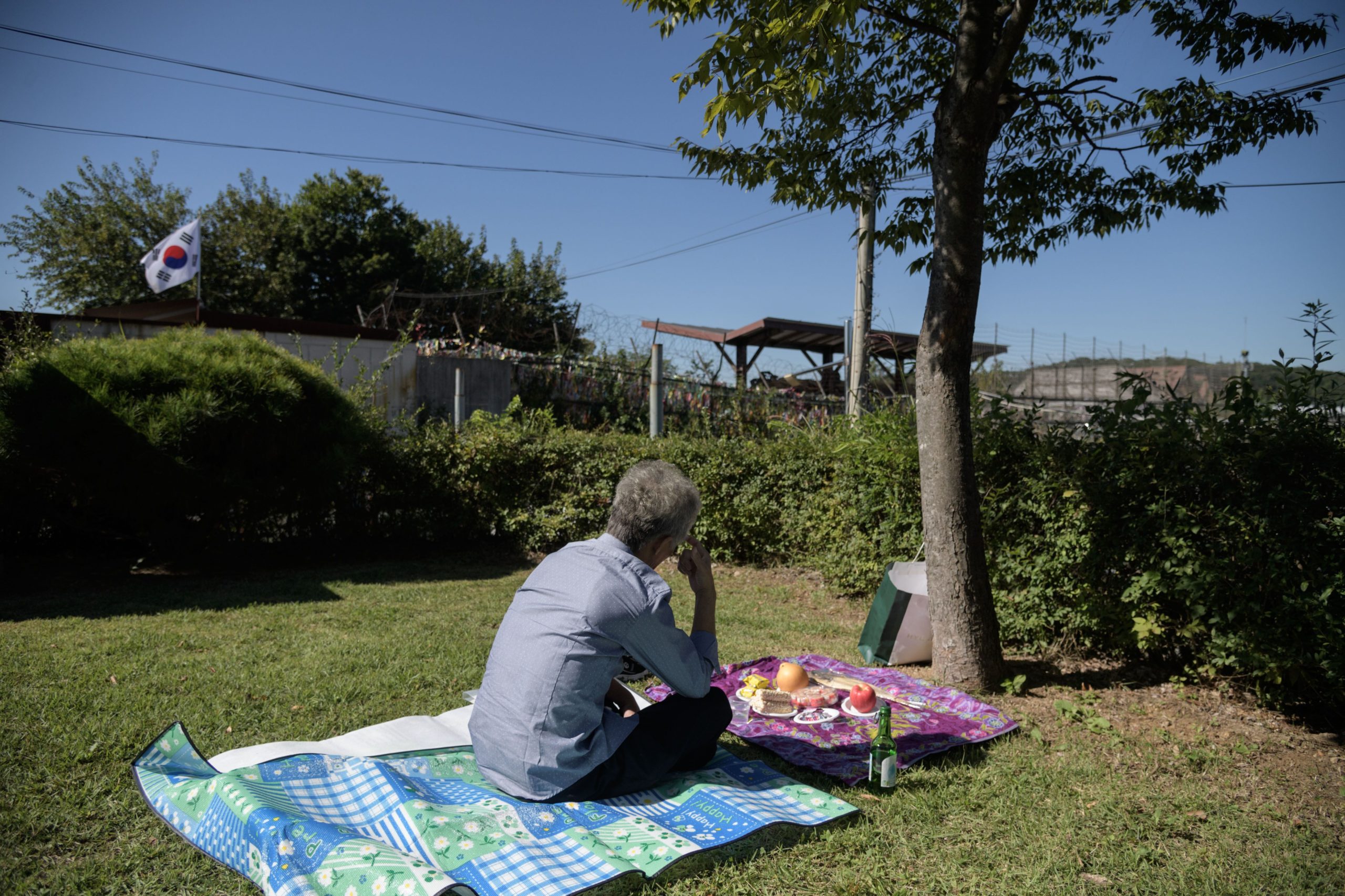
The number of North Korean defectors (refugees) resettling in South Korea has dropped to the lowest level in two decades. The South Korean Unification Ministry reported that during the entire year of 2020, only 229 North Koreans sought admission and were resettled in the South. Amb. Robert King explains why.
January 25, 2021, by Joseph S. Bermudez Jr. and Victor Cha—
The Kyongje-dong facility was likely built to serve as a wartime forward operating base for MD-500s helicopters to support special force operations against South Korea during the early stages of a renewed conflict. Like a number of air facilities in North Korea, the Kyongje-dong facility appears to be in wartime reserve or caretaker status and is not associated with North Korea's ballistic missile operating bases.
December 24, 2020, by Joseph S. Bermudez Jr., Victor Cha and Dana Kim—
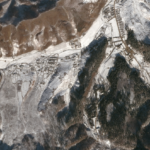
Located approximately 52 kilometers north of the DMZ and 125 kilometers north of Seoul, the Kal-gol missile operating base is one of the most developed of North Korea’s approximately 15-20 undeclared ballistic missile facilities. This base likely houses a reinforced brigade-sized unit equipped with 500-kilometer-range Hwasong-6 (Scud C) short-range ballistic missiles (SRBM) or Hwasong-9 (Scud-ER) medium-range ballistic missiles (MRBM).
December 22, 2020, by Robert King—
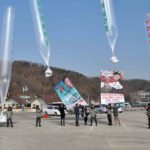
The South Korean National Assembly last week approved legislation that imposes stiff fines and jail terms for sending leaflets, USB sticks, Bible verses, and even money across the 38th parallel into North Korea via balloons. The real risk for the Moon government is that by responding so quickly to the derisive dressing down from Kim Yo-jong, it may give Seoul the appearance of being overly eager to accede to Pyongyang’s demands. Such a response weakens South Korea’s ability to negotiate with the North. The quick capitulation by the South only encourages Pyongyang to take a tougher stance in the future.
December 15, 2020, by Robert King—
The incoming Biden administration is now just weeks away from assuming the reins of political power in Washington. The new administration has no shortage of gratuitous advice about policies and programs it ought to pursue. Unrequested, I am offering my advice about what ought to be on the agenda for dealing with North Korean human rights in the new administration. One issue that has largely been ignored for the last two and a half years of President Trump’s White House stewardship is human rights in North Korea. In light of that neglect, I offer thoughts on the North Korea human rights agenda for the new administration.